







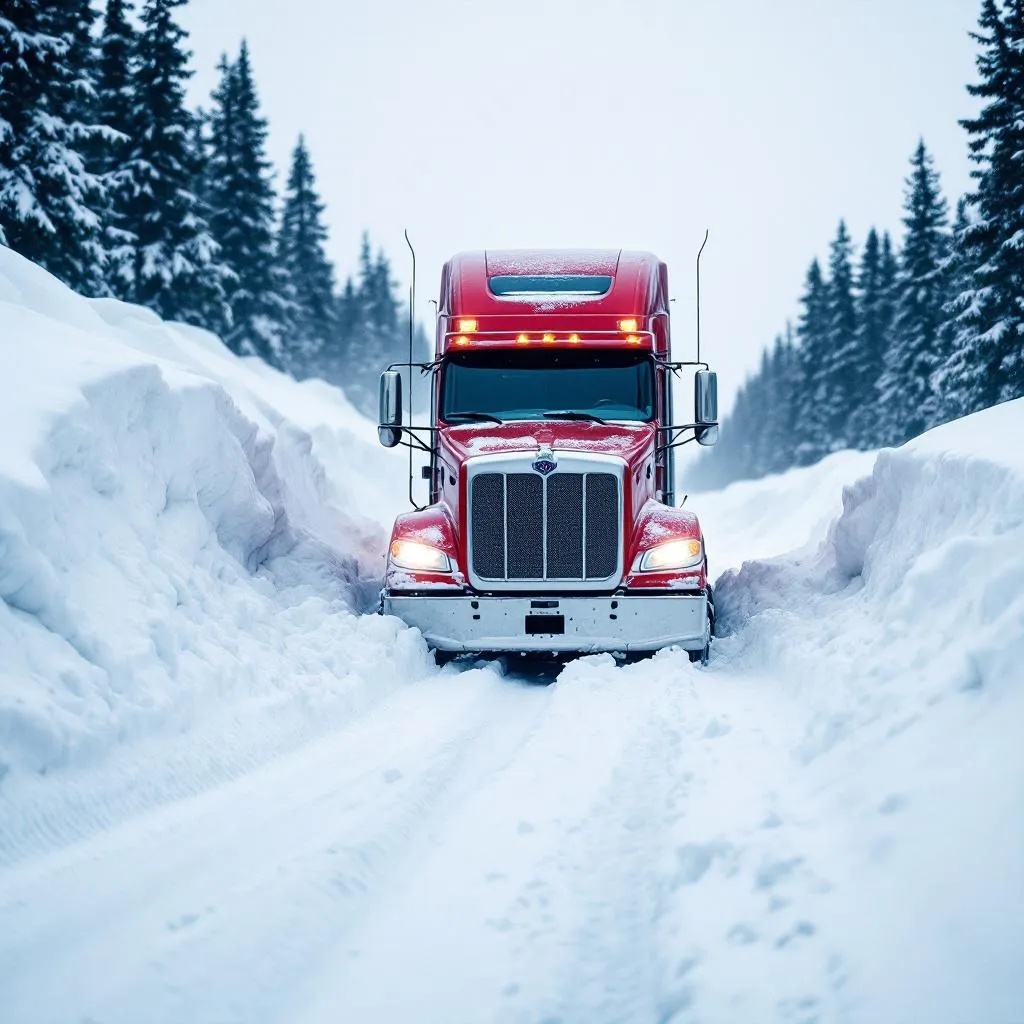
Winter brings dangerous conditions for truck drivers, from whiteout blizzards to life-threatening cold. To keep drivers safe, fleets must prepare well before the first snowstorm hits. This comprehensive guide breaks down the key winter trucking safety practices recommended by J.J. Keller to help fleets reduce risks, prevent breakdowns, and protect driver health on the road.
Why Winter Preparation Matters
Cold weather affects both vehicles and the human body. Breakdowns become more dangerous, response times slow, and drivers face real risks such as frostbite, hypothermia, and being stranded. Because winter storms can strike suddenly, readiness must begin long before temperatures drop.
Build a Complete Winter Survival Kit
Every truck should carry a dedicated survival kit in addition to standard equipment. Recommended items include:
- Snow brush and scraper
- Shovel and traction devices
- Brightly colored cloth for signaling
- Blankets or sleeping bag
- Extra food, water, and medications
- Cold-weather clothing (coat, boots, gloves, hat)
These supplies can save a driver’s life if stranded in severe weather.
What to Do If a Driver Gets Stranded
Knowing how to respond during an emergency increases survival odds. Key steps include:
- Stay in the truck unless help is clearly visible within 100 yards
- Call 911 and give detailed location information
- Signal for help using a bright cloth outside the vehicle
- Run the engine 10 minutes per hour with a window slightly open
- Check the exhaust pipe to avoid carbon monoxide buildup
- Ration food and water until assistance arrives
Recognize And Prevent Cold-Related Illnesses
Drivers must understand how dangerous cold exposure can be. When the body shifts heat to the core, extremities cool rapidly, increasing the risk of frostbite and hypothermia.
Symptoms of hypothermia include:
- Shivering, slurred speech, confusion
- Poor coordination and fumbling
- Pale, cold skin
Mild cases may be treated with dry clothes and warm drinks. Severe symptoms require emergency medical care.
Dress for Survival: 8 Winter Clothing Tips
Proper clothing is one of the strongest defenses against winter hazards. Drivers should:
- Check both temperature and wind chill
- Avoid cotton, which loses insulation when wet
- Wear three layers: moisture-wicking base, insulating middle, protective outer
- Cover the head or use a hood
- Choose insulated boots
- Keep dry clothing available
- Wear loose outer layers for better heat regulation
- Manage perspiration through proper ventilation
Understand State Winter Laws and Requirements
States like Colorado enforce winter traction rules from September through May. Fleets must know:
- Compliance dates
- What vehicles are affected
- Which traction devices are required or prohibited
- Local restrictions such as bans on studded tires
Drivers should practice installing tire chains before encountering storms.
Monitor Weather and Adjust Plans
The strongest defense is awareness. Dispatchers and drivers must:
- Track storms in real time
- Communicate quickly about changing conditions
- Know when to stop and wait out dangerous weather
Winter trucking safety depends on preparation, awareness, and planning long before the snow arrives.
Source:
https://www.truckinginfo.com/10251513/blizzards-and-big-rigs-a-winter-readiness-survival-guide




Leave a Comment