







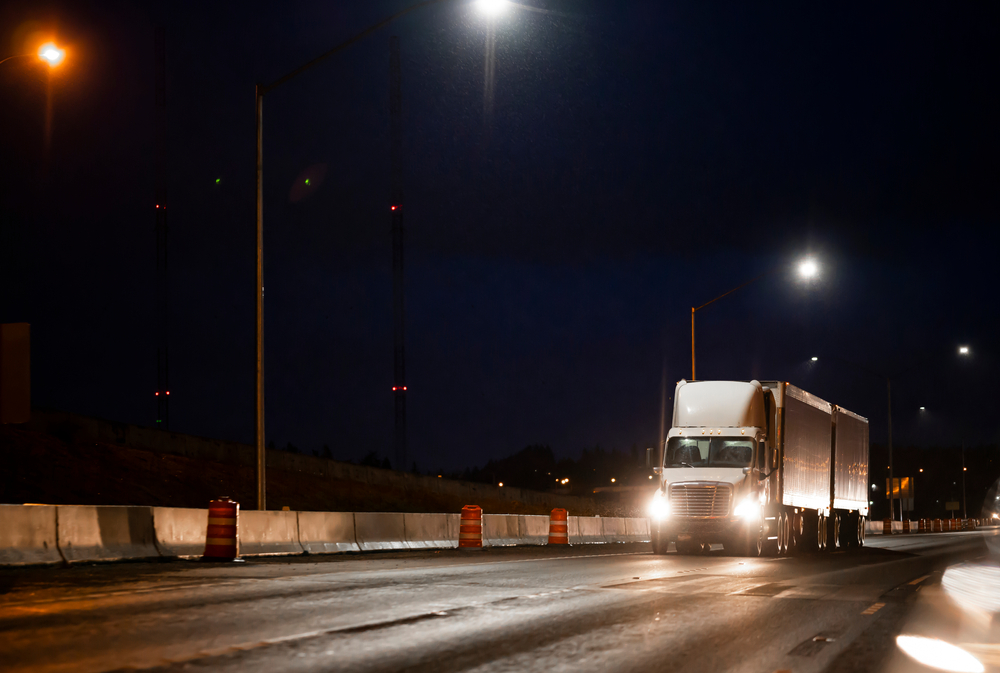
A California trucking company owner says the past three years have exposed a deeper, structural problem in the freight market — one driven by cheap labor, fraudulent CDLs, and uneven enforcement rather than normal supply-and-demand cycles.
Steve Troyer, president of family-owned California Midwest Xpress, says his company has been forced to compete against carriers using low-cost, non-domiciled CDL drivers, allowing freight to move well below true operating costs. According to Troyer, brokered freight moving more than 500 miles has regularly paid 25 to 75 cents per mile below his company’s cost since mid-2022.
- “The last three years have been brutal,” Troyer said.
- “You eventually run out of working capital and equity, and you’re forced into debt just to survive.”
While downturns are common in trucking, Troyer believes this one is different. He describes it as longer, deeper, and structurally unfair, with compliant carriers steadily bleeding capital while noncompliant operators remain profitable.
A Structural Shift, Not a Cycle
Troyer’s experience aligns with warnings from other industry leaders who say the market has been distorted by labor arbitrage and licensing abuse.
- Non-domiciled CDL drivers often work for significantly lower wages than U.S.-based drivers.
- Weak oversight allows some carriers to skirt safety, labor, and licensing rules.
- Those savings translate directly into lower freight rates that compliant fleets cannot match.
OTR Solutions COO Grace Maher and former carrier owner Cliff Bates have also described a “new ecosystem” in trucking, where transient drivers undercut rates, cycle in and out of the country, and operate with little accountability. Bates warned that some foreign drivers “make a fraction of what American drivers make and undercut every rate.”
Labor Is the Only Real Variable
Troyer points out that most operating costs are fixed across the industry:
- Fuel
- Insurance
- Tires
- Maintenance
Labor and compliance, he says, are the only areas where corners can be cut.
- “If I could pay my drivers half of what I pay them, I’d gain a 25- to 50-cent-per-mile advantage,” Troyer said.
- “But we follow the rules. Others don’t — and they’re rewarded for it.”
He also raised concerns about fraudulent or improperly issued CDLs, including reports of trucks rotating multiple drivers or operating under unsafe conditions. Troyer described some operations as “rolling sweatshops,” creating both safety risks and unfair competition.
Safety and Long-Term Capacity at Risk
Troyer pointed to federal data showing truck-related fatalities have increased since 2016 — despite electronic logging devices intended to improve safety — as a warning sign that deeper issues exist.
- Exploited drivers
- Fatigue-driven operations
- Minimal accountability
“These practices don’t just hurt rates,” Troyer said. “They hurt safety.”
A Call for Enforcement, Not More Rules
Rather than calling for new regulations, Troyer argues the solution is consistent enforcement of existing laws.
- Enforce CDL standards
- Enforce labor rules
- Enforce safety requirements equally
“Make us all play by the same rules,” he said. “That’s all we’re asking.”
Without that, Troyer warns the industry risks losing long-standing, compliant carriers that form the backbone of U.S. freight networks — leaving behind a fragile system built on short-term exploitation rather than safety, stability, and resilience.
Source:




Leave a Comment