







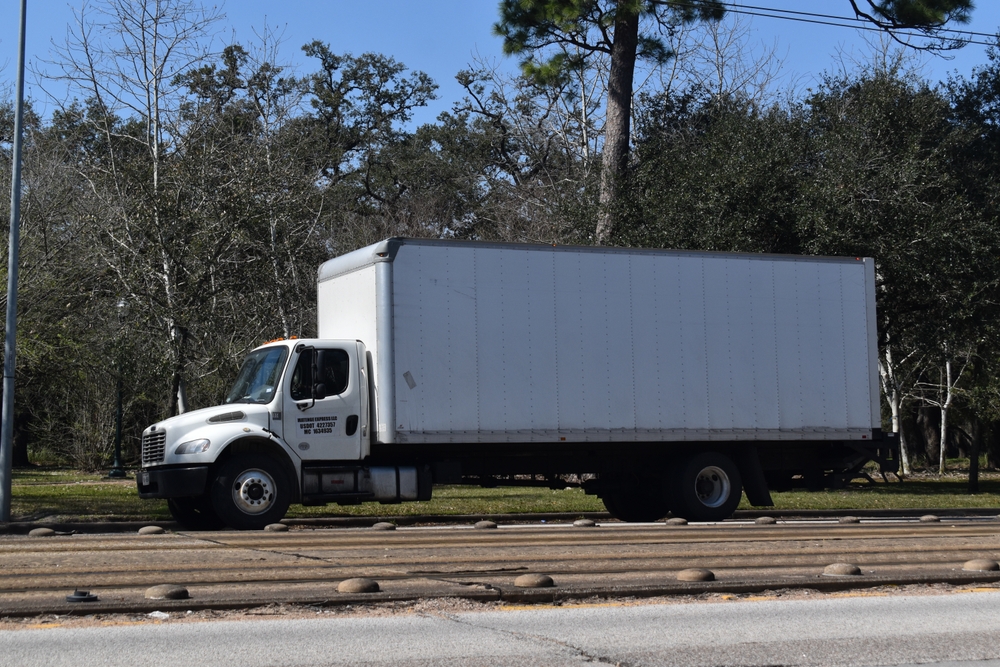
Telematics has been part of trucking far longer than most people realize. It began in the mid-1980s when Omnitracs experimented with early satellite systems to locate trucks and communicate with drivers. As sensors became more advanced, fleets quickly saw the value in gathering data for diagnostics and maintenance.
By the early 2000s, mobile devices and cellular networks accelerated the shift toward connected vehicles. Today, telematics systems are built into almost every part of a truck and are essential for fleet operations. They help with safety, maintenance, driver coaching, routing, spec’ing vehicles, and much more.
But as telematics grew, many fleets ran into the same problem: too much data. Trucks can generate millions of data points daily, leaving managers overwhelmed and juggling multiple platforms. Now, the industry is heading into a new phase — one where AI, predictive analytics, and integrated systems finally make telematics easier to use and far more powerful.
AI Will Unlock Telematics’ Full Potential
Experts agree that the next big change in telematics will come from artificial intelligence.
- Turning data into decisions:
Thermo King’s Dominic Hand says AI will analyze huge amounts of telematics data and turn it into helpful insights or automated actions. Fleets that use this well will save money and operate more efficiently. - Predictive maintenance:
Volvo’s Maddie Sullivan believes telematics will increasingly prevent breakdowns. The more connected trucks are, the earlier systems can detect issues and avoid unnecessary repairs. - Smarter vehicle systems:
Cummins’ Kerry-Leigh Goodier predicts that everything — engine, transmission, aftertreatment, and even the trailer — will work together as one connected ecosystem. Trucks will recognize patterns, plan service needs, and adjust performance in real time. - Cognitive trucks:
Mack Trucks’ Ashish Sadhu says future telematics will move from simple tracking to full intelligence. Edge AI will allow trucks to self-diagnose problems, schedule their own maintenance, coordinate charging, and communicate with road infrastructure.
More Integration, Less Complexity
Another major trend is simplifying the number of platforms fleets use.
- All-in-one environments:
Kenworth says telematics will soon be fully integrated into a single platform instead of multiple portals. - Built-in telematics:
Samsara expects OEMs to embed telematics and safety systems directly in the truck at the factory, reducing installation time and giving fleets instant access to data. - Actionable alerts:
Hendrickson’s Mark Gauer emphasizes the need to give drivers and dispatchers the right information at the right time — not pages of data they can’t use. - Next-level diagnostics:
Eaton’s Bobby Robinette says future telematics will not only identify faults but also recommend solutions using secure networks and edge AI.
Predictive and Automated Operations
Telematics is becoming the backbone of fleet management. Upcoming advancements include:
- Faster data through 5G/6G and satellite networks
- More accurate safety features using V2X communication
- OTA updates that adjust truck performance in real time
- Trucks that analyze terrain, payload, and driving style to optimize fuel and emissions
Daimler and other OEMs say the biggest leap ahead is AI-powered predictive analytics, helping fleets reduce downtime and improve safety.
Telematics is moving from simple vehicle tracking to a fully intelligent system that helps fleets anticipate problems, automate decisions, and improve every part of their operations. The next decade will redefine how trucks communicate, operate, and stay on the road.
Source:
https://www.truckinginfo.com/10250947/the-future-of-fleet-telematics



Leave a Comment