







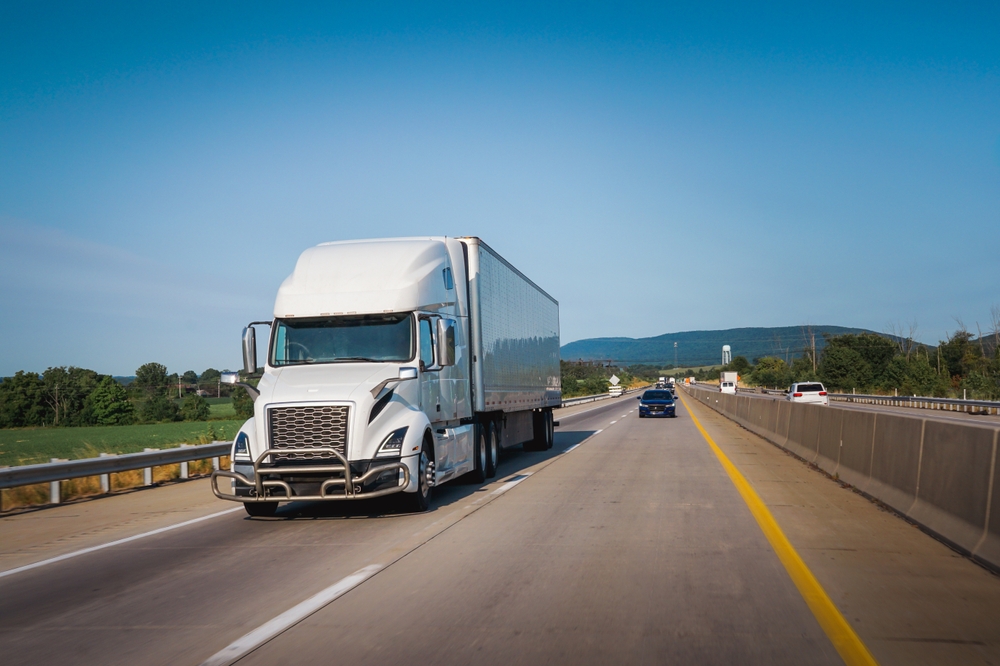
Hydrogen-powered trucks are rapidly proving their worth in clean transportation, and the H2Rescue truck has set a new benchmark. Developed by Cummins Accelera in collaboration with the U.S. Department of Energy (DOE) and Department of Defense (DoD), this innovative vehicle shattered a Guinness World Record by traveling 1,806 miles on a single tank of hydrogen.
A Record-Breaking Journey
The H2Rescue truck’s historic trip took place in California, powered by 386 pounds of hydrogen fuel. Operating under real-world conditions, the truck maintained steady speeds between 50 and 55 mph and performed flawlessly in temperatures ranging from 60 to 80°F. The journey was rigorously monitored by a Guinness World Records adjudicator, who sealed the hydrogen tank before departure to ensure the accuracy and integrity of the test.
Cutting-Edge Technology
The H2Rescue truck is powered by a Cummins Accelera fuel cell engine paired with a 250-kilowatt traction motor. Over the course of its record-setting journey, it consumed just 370 pounds of hydrogen, highlighting the impressive efficiency of hydrogen fuel cell technology. Even more remarkable, the truck’s only tailpipe emission was pure water vapor.
Environmental Impact
By relying on hydrogen instead of traditional gasoline, the H2Rescue truck avoided emitting 664 pounds of carbon dioxide during its journey. This achievement underscores the potential of hydrogen-powered vehicles to significantly reduce greenhouse gas emissions and combat climate change.
Beyond the Record: A Real-World Solution
The H2Rescue truck is designed for more than record-breaking feats; it’s a practical solution for emergency response scenarios. Key features include:
- Emergency power generation: Its fuel cells can provide 25 kilowatts of power for up to 72 hours, enough to support multiple FEMA trailers during disaster relief operations.
- Robust build: Weighing 33,000 pounds, the truck is equipped to carry critical supplies into disaster zones where traditional infrastructure might be compromised.
- Water production: As a byproduct of its hydrogen fuel cells, the truck generates approximately one gallon of water per hour, a potentially valuable resource in emergencies.
A Model for Sustainable Emergency Response
The DOE projects that replacing conventional emergency response vehicles with H2Rescue trucks could save 1,825 gallons of gasoline annually and reduce greenhouse gas emissions by 2.8 tons per year per vehicle. This demonstrates the far-reaching implications of hydrogen fuel cell technology for heavy-duty transportation and emergency services.
The H2Rescue truck not only sets a new standard for clean energy vehicles but also exemplifies how innovation can address real-world challenges while reducing environmental impact. As hydrogen technology continues to advance, vehicles like the H2Rescue truck could play a pivotal role in building a more sustainable future.
Source:





Leave a Comment