







Real-World Data Reveals the Future of Trucking Powertrains
The latest NACFE study highlights how real-world trucking performance continues to evolve across multiple powertrain technologies. During the 18-day Run on Less – Messy Middle demonstration, diesel trucks reached up to 11.5 miles per gallon, while a Tesla Semi achieved 460 miles on a single charge. These results show that fleets must balance current efficiency gains with future technology adoption.
To begin with, NACFE analyzed 14 Class 8 trucks across diesel, natural gas, battery-electric, and hydrogen platforms. The study collected over 2.2 million data points from 73,000 miles of real freight operations, making it one of the most detailed trucking performance studies to date. Moreover, the trucks operated across a wide range of duty cycles, including long-haul, regional, and local delivery routes. Therefore, the findings reflect real operational conditions rather than controlled testing environments.
Diesel Sets New Efficiency Benchmarks
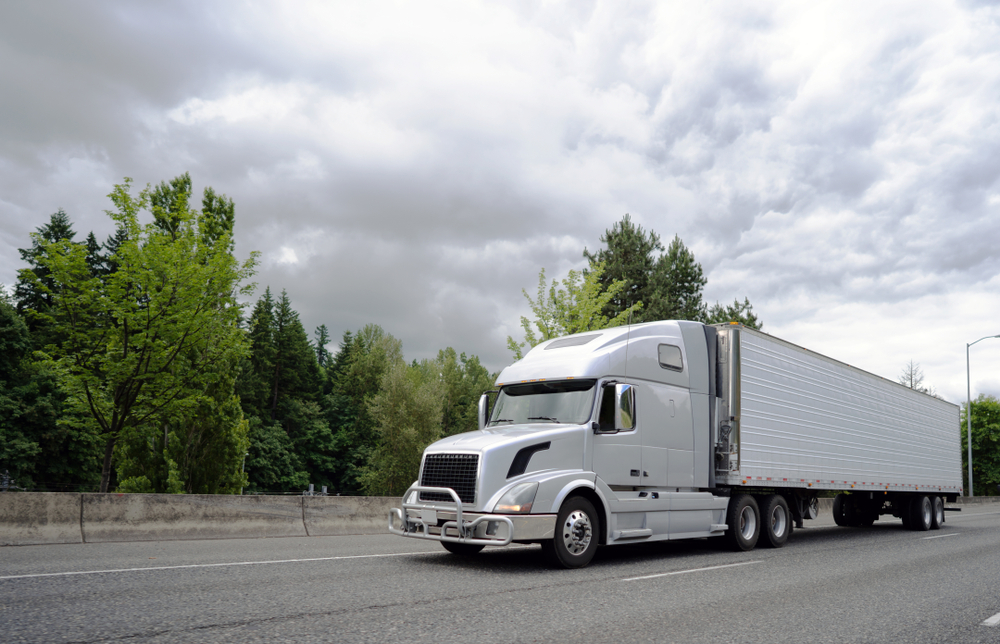
Diesel technology continues to deliver strong performance. In fact, two trucks reached 11.5 mpg, while others achieved around 9.5 mpg. These numbers significantly exceed the national average of about 7 mpg. As a result, diesel remains the most reliable and flexible option for fleets today.
Additionally, diesel benefits from an extensive fueling network and proven operational capabilities. However, the study also shows that fleets can still improve fuel economy further by optimizing driver behavior and adopting new technologies.
Natural Gas Handles Heavy-Duty Operations
At the same time, natural gas trucks demonstrated strong performance in demanding applications. These vehicles achieved 4.5 to 6.7 miles per gallon equivalent while hauling heavier loads, including up to 130,000 pounds.
Furthermore, renewable natural gas (RNG) offers environmental advantages by reducing emissions and even enabling carbon-negative operations. Consequently, natural gas continues to serve as a practical alternative for specific high-demand routes.
Battery-Electric Trucks Expand Their Range
Meanwhile, battery-electric trucks showed rapid improvement. The Tesla Semi, in particular, completed a 460-mile run on a single charge and continued operating in multi-shift conditions. In addition, newer charging systems now allow trucks to recharge for hundreds of miles within 20 to 30 minutes.
However, performance still depends on infrastructure and route conditions. For example, terrain significantly affects efficiency, and limited charging availability can restrict operations. Therefore, fleets must carefully match electric trucks to suitable routes.
Hydrogen Shows Potential but Faces Limits
Hydrogen fuel cell trucks also performed well in terms of efficiency and operational capability. However, limited fueling infrastructure continues to restrict widespread use. As a result, hydrogen remains in an early development phase, with most deployments focused on pilot programs.
Key Takeaways for Fleet Strategy
Overall, the study highlights several important factors for fleet decision-making:
- Matching powertrain technology to specific duty cycles
- Considering infrastructure availability and operational needs
- Recognizing the impact of terrain and driver behavior
- Evaluating total cost of ownership and long-term value
In addition, driver performance plays a critical role in efficiency across all technologies. Fleets that invest in training and operational discipline can achieve better results regardless of the powertrain.
A Mixed Fleet Approach Leads the Way
Ultimately, NACFE’s findings reinforce the need for a mixed fleet strategy. Diesel continues to dominate current operations, while natural gas and electric trucks offer targeted advantages. At the same time, battery-electric technology shows strong long-term potential as infrastructure and innovation continue to improve.
Source:
https://www.freightwaves.com/news/nacfe-run-on-less-diesel-11-5-mpg-tesla-semi




Leave a Comment