







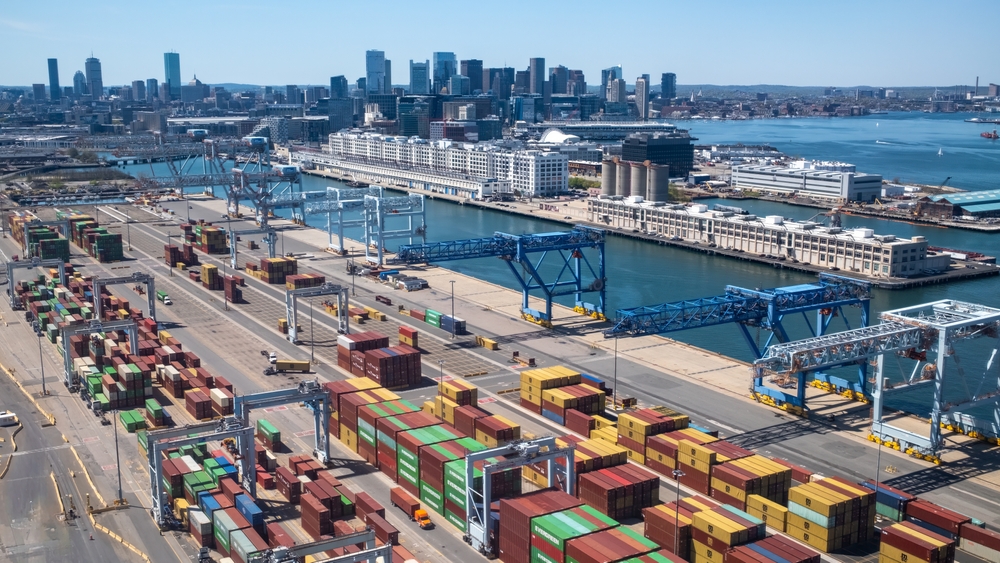
The U.S. Supreme Court has postponed a decision on legal challenges to President Donald Trump’s tariffs, prolonging uncertainty for businesses, markets, and trade-dependent industries. On January 14, the Court declined to issue a ruling, signaling that the wait will continue until at least its next session later this month.
Below is a clear, easy-to-read breakdown of what’s happening and why it matters.
What the Supreme Court Did — and Didn’t Do
-
The Court did not rule on challenges to Trump’s tariffs on January 14
-
Justices did not announce a specific date for the next decision
-
Additional rulings could be issued January 20–21, when the Court reconvenes
-
Until then, the legality of the tariffs remains unresolved
Why These Tariffs Are So Important
-
The case centers on Trump’s April 2 “Liberation Day” tariffs
-
Tariffs range from 10% to 50% on most imports
-
Additional duties were imposed on Canada, Mexico, and China
-
The administration justified the tariffs as a response to:
-
National security concerns
-
Fentanyl trafficking
-
Trade imbalances
-
These actions represent one of the most aggressive uses of executive trade authority in recent history.
Legal Questions Before the Court
-
Trump relied on a 1977 emergency powers law to impose the tariffs
-
Challengers argue the law does not authorize broad, long-term trade restrictions
-
During November 5 oral arguments, several justices appeared skeptical of:
-
The scope of presidential authority
-
Whether the situation qualified as a true emergency
-
A ruling against the administration would significantly limit executive power over tariffs.
Market and Business Reactions
-
The lack of a ruling immediately affected financial markets:
-
Consumer stocks such as Lululemon and Mattel declined
-
Stanley Black & Decker erased earlier gains
-
-
Investors reacted to the continued uncertainty surrounding:
-
Import costs
-
Supply chains
-
Long-term pricing strategies
-
This volatility highlights how deeply tariffs are tied to corporate planning and investor confidence.
What Happens If the Court Rules Against Trump
-
It would be Trump’s biggest legal defeat since returning to office
-
The decision could:
-
Force Congress to take a larger role in trade policy
-
Restrict future presidents’ ability to impose tariffs unilaterally
-
-
Companies could seek more than $130 billion in tariff refunds
-
Industries affected include:
-
Manufacturing
-
Retail
-
Trucking and logistics
-
Global supply chain operations
-
Why This Matters to Trucking and Freight
-
Tariffs directly influence:
-
Freight volumes
-
Import and export demand
-
Equipment purchasing decisions
-
-
Prolonged uncertainty complicates:
-
Contract negotiations
-
Capacity planning
-
Long-term investment strategies
-
Until the Supreme Court issues a final ruling, carriers and shippers alike remain stuck navigating an unpredictable trade environment shaped by legal and political forces beyond their control.
Source:
https://www.ttnews.com/articles/wait-continues-scotus-tariffs




Leave a Comment