







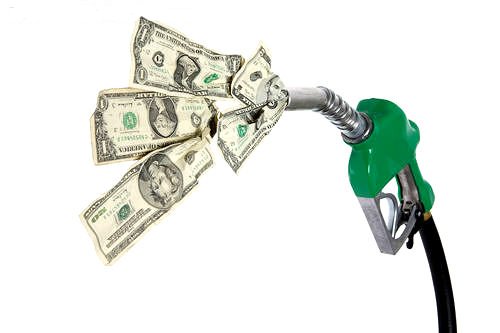
Diesel prices have hit their highest point since 2014. Prices have been rising across the country and have finally topped $4 per gallon in some areas.
At an average price of $3.313 nationwide, we’re still nowhere near the high of $4.703 back in July of 2008. But we’re also a far cry from the recent low under $2 a gallon in February of 2016.
This recent spike was reached after an increase of $.042 in just the past week. We’re up $.521 from only a year ago, and still climbing. Oil futures are still rising, which means it’s likely that prices will continue to climb.
Rising prices are due in part to anxiety over the White House’s relationship with the middle east. High oil producing OPEC nations have been targeted by President Trump on Twitter, making markets nervous. The cost of diesel has increased by $.94 per gallon since President Trump announced the withdrawal from the Iran Nuclear deal and new sanctions against Iran.
That being said, where you’re buying fuel can make all the difference. In the Gulf Coast for example, diesel is rising, but still at only $3.367 per gallon at the beginning of this week. By comparison, the most expensive region, California, is up to $4.038 per gallon.
Source: overdrive, Department of Energy, ttnews



They say the US is now a top oil producing country, # 1 . Drill baby drill! So what is going on? Are we selling oil to our selves at world oil prices? How about a tarrif on exports
Making it more profitable to sell to the home boys
Shows how bad our economy really is… all signs leading up to another recession. Remember 2007-08, things are starting to look very familiar.
BS storie just big biss trying not to pay drivers
BWVB, not trying to derail your “the world is against us” point of view, but most drivers do not see a reduction in pay when fuel prices go up. For ICs, if they’re getting decent fuel economy, they actually see an increase in net income when fuel prices (and therefore, fuel surcharges) go up. Not everything is a ploy to keep driver pay down.
About time for the Adminstration to enact a National Fuel Policy. Never been done before. Let’s try it out.