







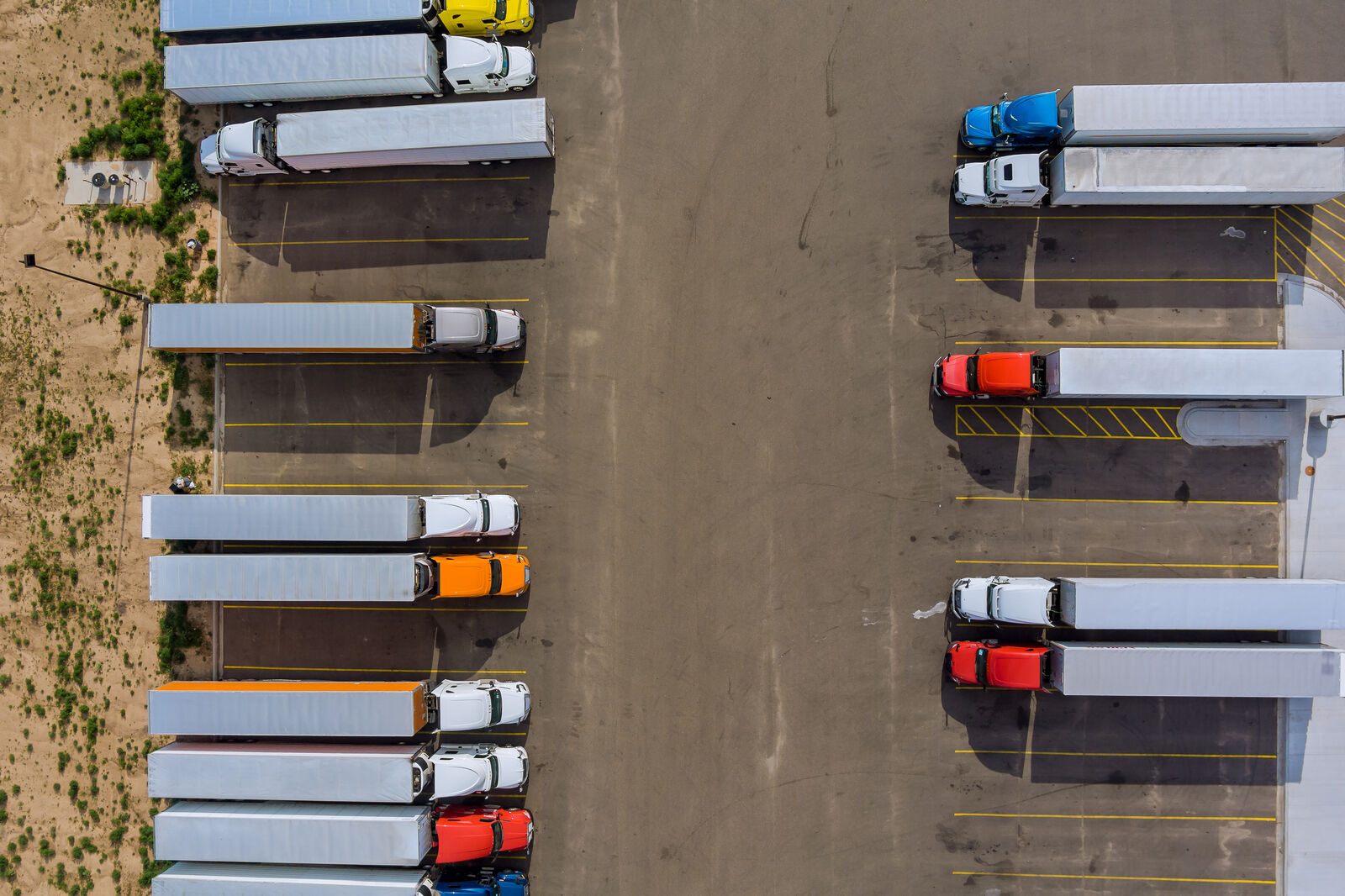
The great state of Michigan is parlaying an $8.5 million Rebuilding American Infrastructure with Sustainability and Equity grant into a $13 million “Truck Stop of the Future” designed to service battery electric medium and heavy-duty commercial vehicles. Partnering with Daimler Truck North America and DTE Energy, the state is buzzing about its capacity to recharge zero-emissions rigs off I-96 at the truck manufacturer’s 130-acre site in Redford, Michigan.
“Freight trucks drive commerce, deliver goods, and connect businesses throughout the nation, which is why it is critical to prepare this industry for the future. Our Mobility Charging Hub will help more companies electrify their fleets, cement Michigan’s leadership in the future of freight, and rebuild our transportation infrastructure to support the economy of tomorrow,” Michigan Lt. Governor Garlin Gilchrist II reportedly said. “Over the past five years, our administration has made progress investing in infrastructure and positioning Michigan as the best place to innovate the future, and we are taking that one step further with this ‘truck stop of the future.’ We will work with anyone to ensure more innovators and companies can make it in Michigan.”
What’s missing — and the question media outlets are not necessarily asking — is what about diesel-powered semis?
There are reportedly less than 300 Class 7 and Class 8 zero-emission commercial vehicles in the U.S. combined. That number is expected to tick up to about 1,225 over the next three years. There are reportedly more than 4 million diesel trucks in the U.S. A single month of Class 8 sales outpace the entire volume of electric trucks expected by 2026.
The I-96 area experiences traffic that exceeds 10,000 medium and heavy-duty commercial vehicles daily. Based on the national numbers, only a fraction — if any — semis would benefit from the EV charging stations. Battery-electric semis typically take up to 8 hours to fully recharge and the range is usually less than 500 miles. In practical terms, zero-emissions big rigs would likely need to remain at the facility overnight.
Diesel truckers who shepherded the country through the pandemic, and deliver 72 percent of America’s goods, may not have a place at the taxpayer-funded “Truck Stop of the Future” based on Michigan’s priorities.
“Today’s announcement supports the state’s broader mobility goals to provide safer, greener and more accessible transportation infrastructure and services established in the MI Future Mobility Plan,” a Michigan press release states.
Sources:
https://www.statista.com/statistics/1274050/us-heavy-duty-electric-truck-market-forecast-by-class/
https://www.michiganbusiness.org/press-releases/2023/06/daimler-dte/





Leave a Comment