







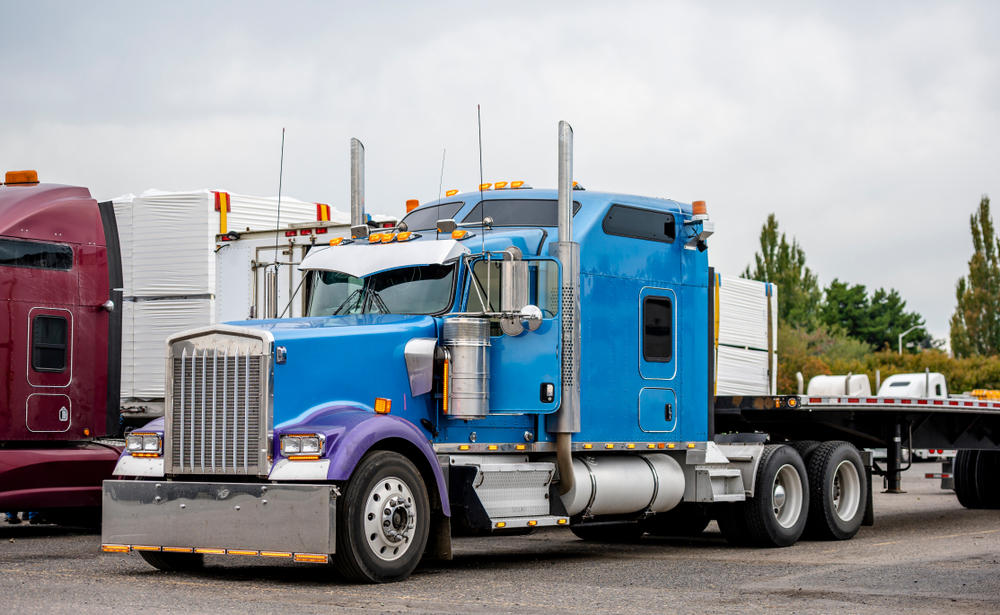
The trucking industry entered 2025 expecting a freight recovery, but instead faced another year of pressure and uncertainty. Rather than rebounding, fleets spent the year navigating weak demand, excess capacity, higher costs, and rapid regulatory and technological change. The most-read FleetOwner stories of 2025 reflect how survival increasingly depended on flexibility, compliance, and long-term planning.
Below are the major themes that defined trucking in 2025.
🚛 Economic Pressures and Trade Policy
- The anticipated freight recovery never materialized, forcing fleets into a defensive posture.
- Tariffs became the single biggest economic disruptor of the year.
- New duties on medium- and heavy-duty trucks added as much as $35,000 to equipment costs.
- Price increases extended beyond trucks to:
- Tires
- Steel and aluminum
- Trailer components
- Maintenance and replacement parts
- Major carriers paused capital spending and delayed fleet expansion due to uncertainty.
- Trade policy volatility reshaped supply chains and long-term purchasing decisions.
🅿️ Infrastructure and Operational Challenges
- The truck parking shortage remained a top operational and safety concern.
- There is approximately:
- 1 parking space for every 11 drivers on the road.
- Hours-of-service regulations intensified the parking crunch.
- Drivers were often forced to park on:
- Highway ramps
- Road shoulders
- Unauthorized locations
- The issue highlighted the disconnect between regulations and real-world infrastructure.
⛽ Fuel, Sustainability, and Alternative Energy
- Iowa emerged as a national example for biodiesel adoption.
- Biodiesel sales in the state doubled between 2023 and 2024.
- Pilot Travel Centers introduced B99 biodiesel fueling for fleets.
- Key takeaways from Iowa’s success:
- State incentives matter
- Local policy can drive national change
- Fleets want lower-emission options without major equipment overhauls
🤖 Technology, Data, and AI Integration
- Fleets faced an overwhelming surge in telematics and operational data.
- The challenge shifted from data collection to data prioritization.
- AI and automation became standard components of fleet safety strategies.
- Technology advancements focused on:
- Predictive maintenance
- Driver coaching
- Route optimization
- Integrated safety ecosystems
- The most successful fleets focused on connecting systems rather than adding standalone tools.
👷 Workforce and Labor Evolution
- Debate continued over whether trucking faces a true driver shortage or excess capacity.
- Attention shifted toward:
- Driver qualifications
- Retention strategies
- Workforce sustainability
- Key workforce trends included:
- Attracting Gen Z drivers
- Supporting women in transportation leadership
- Redefining trucking careers beyond the cab
- Fleets recognized that long-term success depends on workforce engagement, not just hiring volume.
📜 Regulation and Enforcement Impacts
- Stricter enforcement of:
- Cabotage laws
- English-language proficiency requirements
- These policies disproportionately affected certain driver groups.
- Some carriers reported:
- Reduced overcapacity
- Improved pricing stability
- Regulatory enforcement became a key factor shaping fleet economics and competition.
Together, these stories show that 2025 was not just another tough year—it was a turning point. Fleets that adapted to regulatory shifts, invested in smarter technology, and prepared for workforce change positioned themselves to move forward stronger. As the industry looks toward 2026, the lessons of 2025 continue to shape how trucking plans for resilience, efficiency, and long-term growth.
Source:





Leave a Comment