







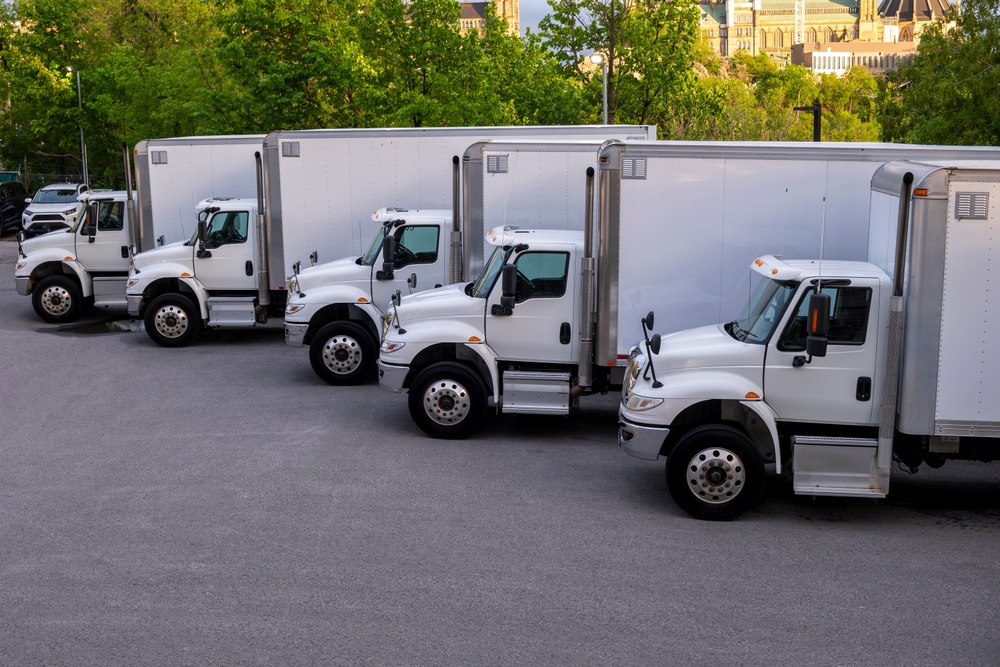
Smaller Fleets Prioritize Reliability, Service History, and Uptime
The used truck market is changing as smaller fleets and owner-operators face growing pressure from rising costs, maintenance challenges, and tighter freight conditions. As a result, many buyers are expanding their search beyond local markets to find trucks that better fit their operational needs.
Instead of focusing only on nearby inventory, smaller fleets are now comparing trucks across multiple regions. Buyers are placing greater importance on condition, maintenance history, uptime potential, and total cost of ownership. Therefore, geography is becoming less important than finding the right truck at the right time.
Equipment Buying Decisions Carry More Risk
For smaller fleets, every truck purchase has a direct impact on daily operations and profitability. Unlike large carriers, smaller operators often have fewer backup vehicles and less flexibility when equipment goes down.
As a result, buyers are becoming more selective and cautious. Important factors now include:
- Verified maintenance records
- Warranty coverage
- Lower repair risks
- Immediate operational readiness
- Fuel efficiency and engine performance
Because downtime can quickly affect revenue, many fleets are willing to travel hundreds of miles for a truck that meets their requirements.
Used Trucks Are Moving Across Regional Markets
Dealer activity shows a growing shift in regional truck sourcing patterns. While overall Class 8 retail sales declined year over year, the trucks that are selling are often traveling much farther distances.
For example, some buyers from Northeast states such as Pennsylvania and New Jersey are purchasing trucks from markets hundreds of miles away. This trend highlights how alternative regional hubs are becoming important sources for used equipment.
Therefore, fleets are no longer limiting themselves to their closest market. Instead, they are widening their search radius to improve their chances of finding the right specification, mileage range, and service history.
EPA 2027 Rules Are Influencing Buying Strategies
Upcoming EPA 2027 emissions standards are also affecting equipment decisions. Many smaller fleets are trying to prepare early for future cost increases and operational changes.
Late-model used trucks from 2022 and 2023 are becoming especially attractive because they offer:
- Updated technology and performance
- Lower costs than brand-new trucks
- Familiar maintenance requirements
- Reduced risk compared to older equipment
As more fleets target these models, competition for quality used trucks is increasing across the market.
Maintenance Challenges Are Reshaping Fleet Priorities
Another major issue influencing buying behavior is the ongoing diesel technician shortage. Because qualified technicians remain difficult to find, serviceability has become a key factor in truck selection.
Fleets are increasingly prioritizing trucks with:
- Detailed service documentation
- Fewer unknown repair issues
- Lower reconditioning needs
- Features that reduce engine wear, such as auxiliary power units
As a result, trucks that can immediately enter service without major repairs have a clear advantage.
Total Cost of Ownership Drives Decision-Making
Today’s used truck market is being shaped by more than just purchase price. Financing costs, insurance expenses, fuel prices, and compliance requirements are all influencing fleet decisions.
Therefore, smaller fleets are focusing heavily on total cost of ownership rather than short-term savings alone.
This broader sourcing strategy reflects a changing market where timing, reliability, and readiness matter more than location. Fleets willing to search wider and evaluate trucks more carefully are often better positioned to secure dependable equipment in a highly competitive environment.
Source:




Leave a Comment